BabyGirl Network

The BabyGirl Network is a global awareness and advocacy initiative founded by Dr. Kameko within the Kameko Organization. Our focus is direct and unapologetic: we exist to raise awareness for the needs of girls — especially minority girls — at disproportionate risk in a world that has not fully decided they matter.

What We Do?

We support programs that do not just rescue girls from crisis — but that build them up before crisis comes. Mentorship. Education. Safe spaces. The tools to understand their own worth, protect their own bodies, and build communities that will hold them.

Because that is ultimately what the BabyGirl Network is about: not just protecting girls from what threatens them, but equipping them to thrive, to lead, and to build the communities around them into something stronger than what they inherited.

3% Cover the Fee

The Devaluation of Girls Around the World

Being born a girl remains, in much of the world, a disadvantage from the very first breath. Girls in many countries eat last and eat least. They are pulled from school to care for siblings while their brothers attend. They are married before they are old enough to understand what marriage means. They are denied the education, health care, and legal protections that would give them any chance at a different life.

More than 640 million women alive today were married before their eighteenth birthday. At the current pace of change, the United Nations estimates it will take 300 years to end child marriage globally. Girls are told — by law, by culture, by silence — that their lives are worth less than the boys beside them. The BabyGirl Network refuses to accept that verdict.

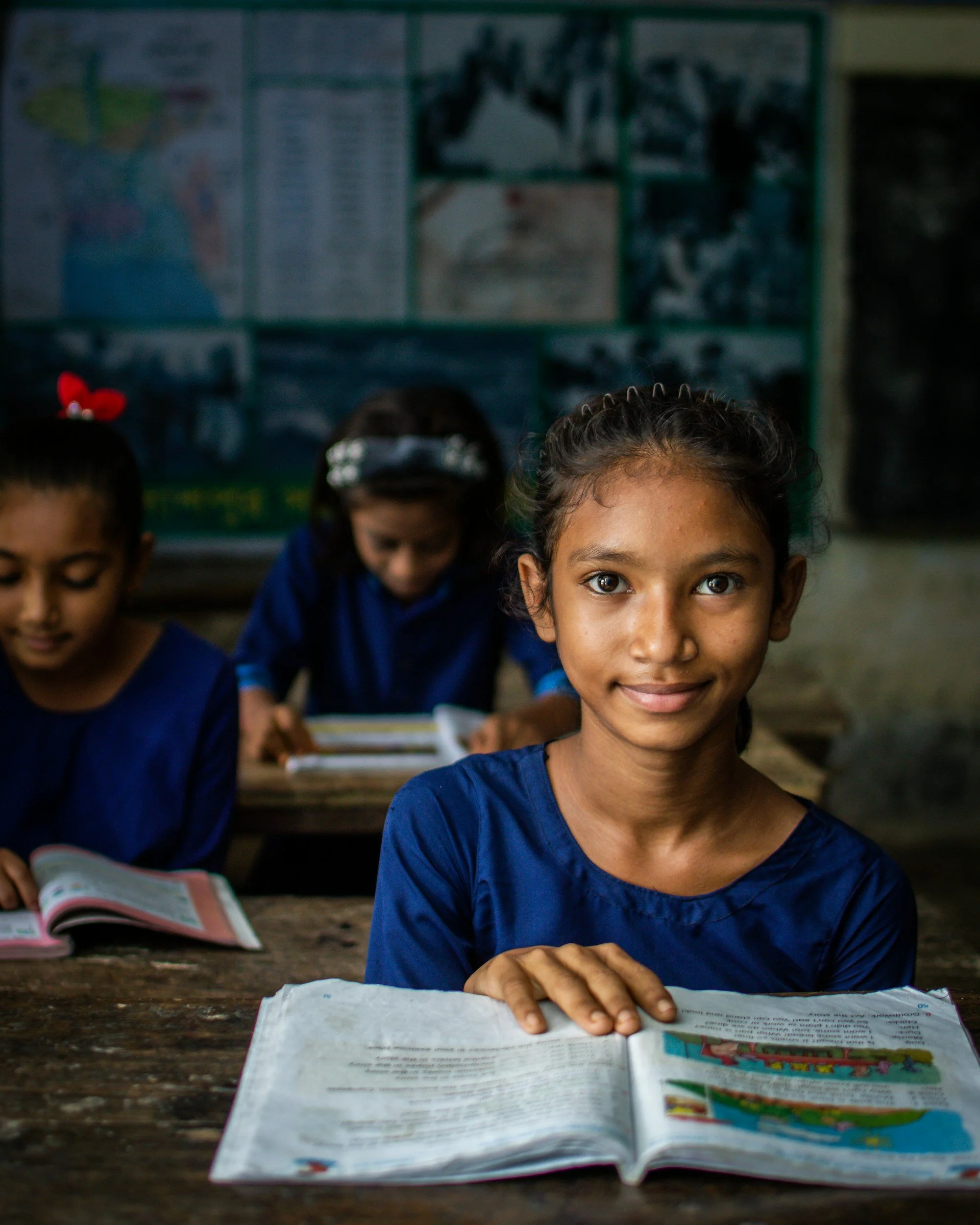
The Specific Crisis Facing Black and Minority Girls as it pertains to trafficking

The data on minority girls in the United States is not a footnote. It is a headline that should stop every one of us cold.

Black girls account for 40 percent of sex trafficking victims in America — despite representing just 13 percent of the population. More than 97,000 Black women were reported missing in a single year. Thirty-six percent of all missing women and girls in this country are Black. And when Black girls who have been trafficked come into contact with law enforcement, they are more likely to be arrested than rescued — labeled runaways or criminals rather than recognized as the victims they are.

The system is not accidentally missing these girls. It is making choices about whose disappearance counts as a crisis. The BabyGirl Network names that truth plainly. Girls deserve the right to be offered and treated equal opportunity